

Every June, eye care professionals around the world observe Cataract Awareness Month to educate the public about one of the leading causes of vision loss and blindness. While cataracts are common, especially as we age, many people still wait too long before seeking help often because the symptoms develop gradually and painlessly. This Cataract Awareness Month, it’s important to understand what cataracts are, recognize the warning signs early, and take action before your vision is significantly affected.
What Is a Cataract?
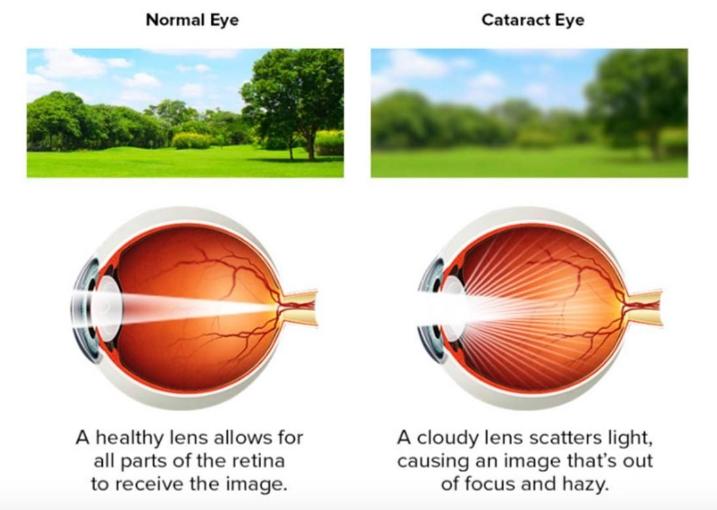
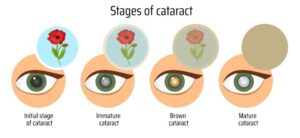
Imagine looking through a clear window that slowly becomes cloudy over time. That’s essentially what happens when a cataract develops. A cataract occurs when the natural lens inside the eye becomes cloudy, preventing light from passing through clearly. As the cloudiness increases, vision becomes blurred, dim, and less sharp. Contrary to a common misconception, cataracts do not grow on the surface of the eye. They develop inside the eye’s lens and cannot be treated with eye drops, herbs, or glasses once they become advanced.
Why Cataracts Deserve Your Attention
Cataracts are responsible for millions of cases of visual impairment worldwide. Yet many people dismiss the early symptoms as “just getting older” and continue struggling with poor vision unnecessarily. The truth is that cataracts can often be detected long before they severely impact your daily life. Early detection gives you the opportunity to monitor changes, maintain better vision, and plan treatment at the right time.
Signs You May Be Developing a Cataract
Cataracts usually develop slowly, making them easy to overlook. Some common warning signs include:
Blurred or cloudy vision
Difficulty seeing at night
Increased sensitivity to bright lights
Glare from headlights while driving
Seeing halos around lights
Frequent changes in glasses prescription
Colors appearing faded or yellowish
Double vision in one eye
If you’ve noticed any of these symptoms, don’t assume they’re a normal part of aging. They could be an early sign of cataract development.
Who Is Most at Risk?
Although cataracts are commonly associated with aging, they can affect people of different age groups. Risk factors include:
Being over 50 years old
Diabetes
Long-term exposure to sunlight
Smoking
Previous eye injuries
Long-term steroid use
Family history of cataracts
People with diabetes, in particular, should have regular eye examinations because cataracts may develop earlier and progress more rapidly.
The Power of Early Detection
One of the key messages of Cataract Awareness Month is simple: Early Detection Matters.
Regular comprehensive eye examinations can identify cataracts before they become severe enough to interfere with your daily activities. Early detection allows:
- Better Vision Management
Your eye care professional can monitor progression and recommend appropriate interventions.
- Improved Safety
Good vision reduces the risk of falls, accidents, and difficulty performing everyday tasks.
- Detection of Other Eye Diseases
Routine eye examinations can also uncover glaucoma, diabetic eye disease, and other conditions that may threaten your sight.
- Timely Treatment
When cataracts eventually affect your quality of life, treatment can be planned at the most appropriate time.
Can Cataracts Be Prevented?
While age-related cataracts cannot always be prevented, you can help protect your eyes by:
Wearing UV-protective sunglasses outdoors
Managing diabetes effectively
Avoiding smoking
Eating a healthy diet rich in fruits and vegetables
Attending regular eye examinations
Protecting your eyes from injury
These simple habits can contribute to better long-term eye health.
Cataract Surgery: Restoring Clear Vision
The good news is that cataracts are highly treatable. Modern cataract surgery is one of the safest and most successful procedures performed today. During surgery, the cloudy lens is removed and replaced with a clear artificial lens, allowing light to focus properly again. For many patients, cataract surgery restores independence, confidence, and quality of life.
This June, Make Your Eye Health a Priority
Cataract Awareness Month serves as an important reminder that vision loss is not something you should simply “live with.” Blurred vision, difficulty reading, struggling to recognize faces, or avoiding night driving are all signs that deserve professional attention. Your eyesight is too valuable to ignore. Don’t Wait Until Your Vision Gets Worse! This Cataract Awareness Month, take the proactive step of scheduling a comprehensive eye examination at Samvic Eye Clinic. Whether you’re experiencing symptoms or simply haven’t had your eyes checked in a while, our experienced eye care team is ready to help protect your sight.
Early detection can make all the difference. The sooner a cataract is identified, the sooner you can make informed decisions about your eye health.
Samvic Eye Clinic is located at Savannah Suites, 8 Faskari Crescent, Area 3, Along GTBank, Beside Nova Bank (Former Access Bank), Garki, Abuja
You can call us on 07059669088 or follow us on facebook for daily eye care tips.
Don’t let cataracts quietly steal your vision. Call today, book your eye examination, and give your eyes the attention they deserve.
Samvic Eye Clinic, Your Health, Our Priority.